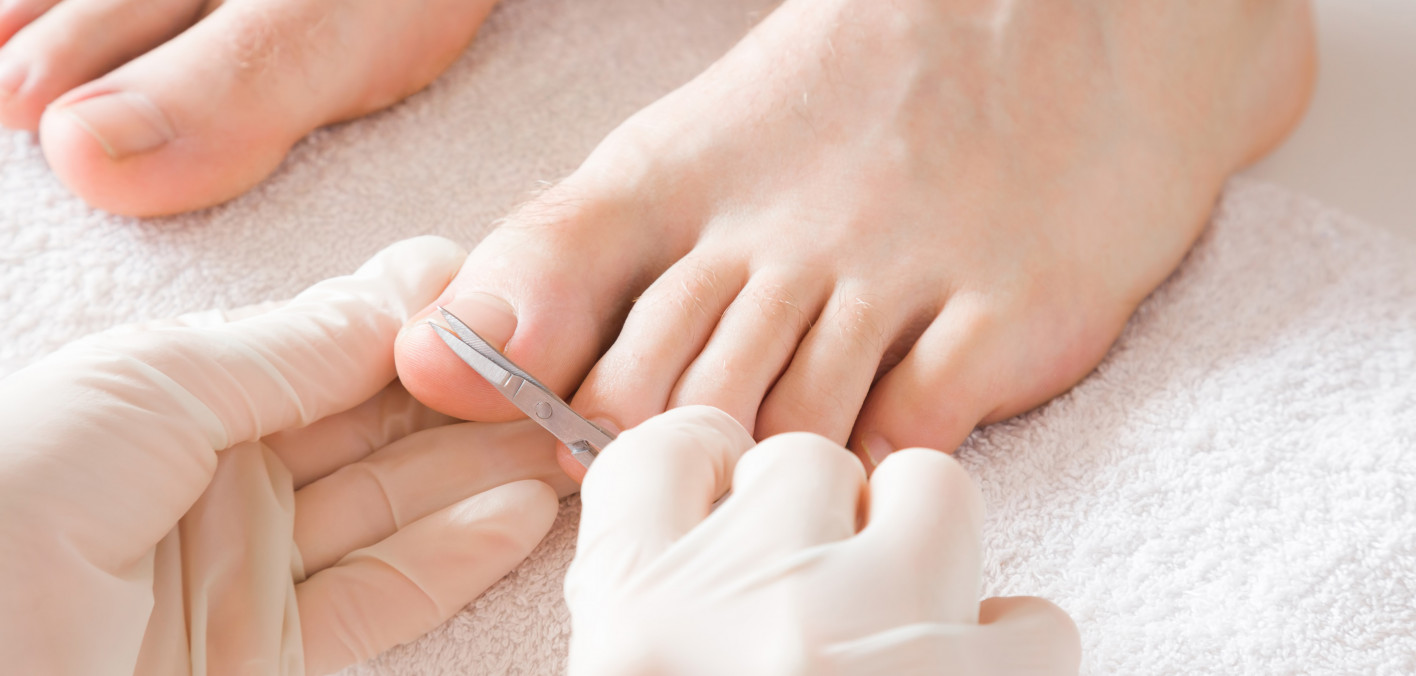
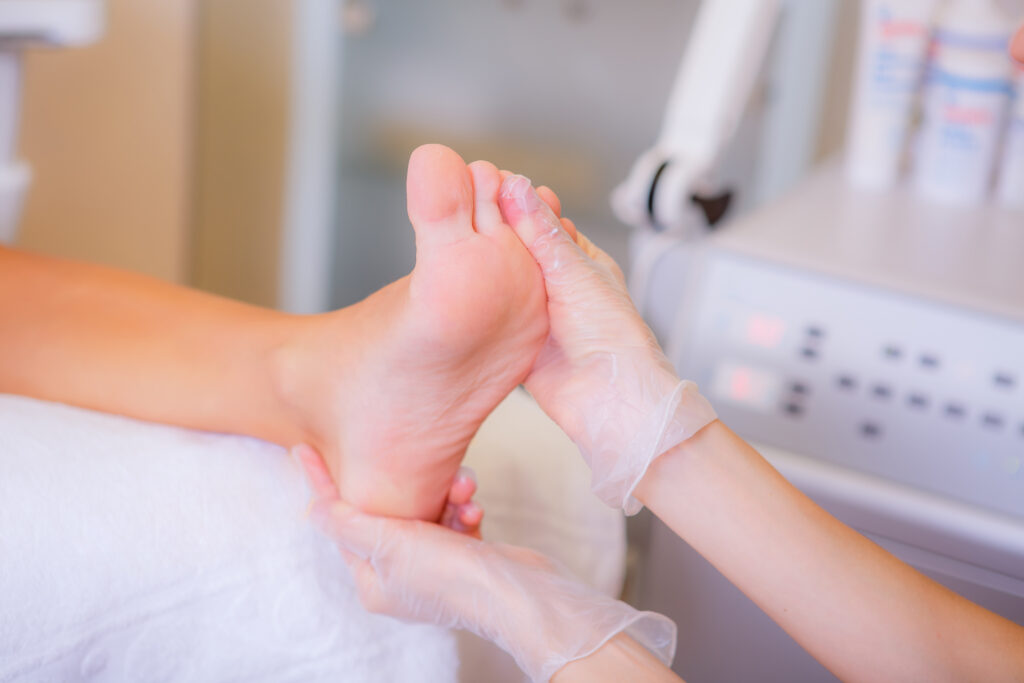
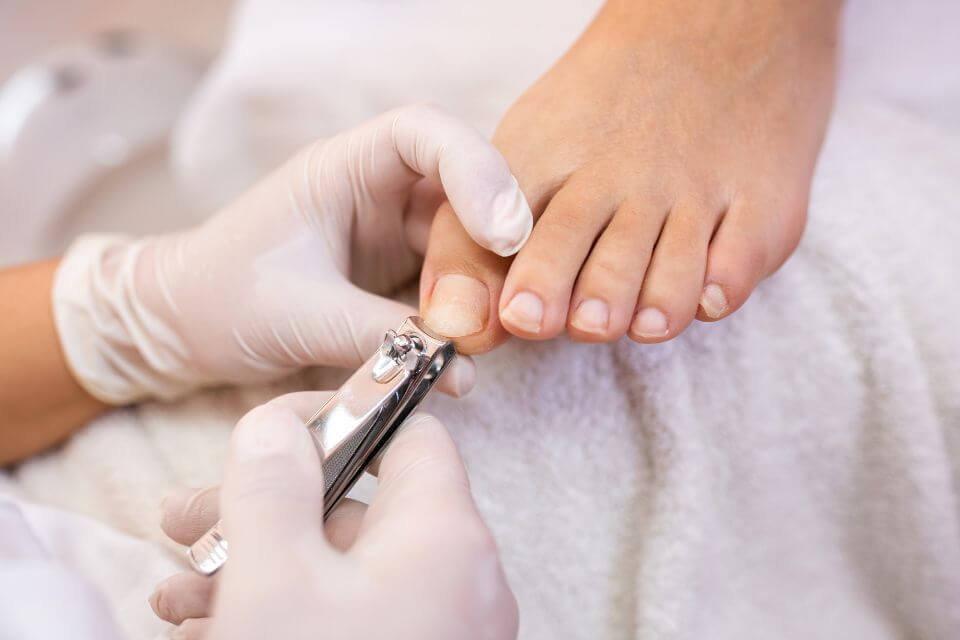
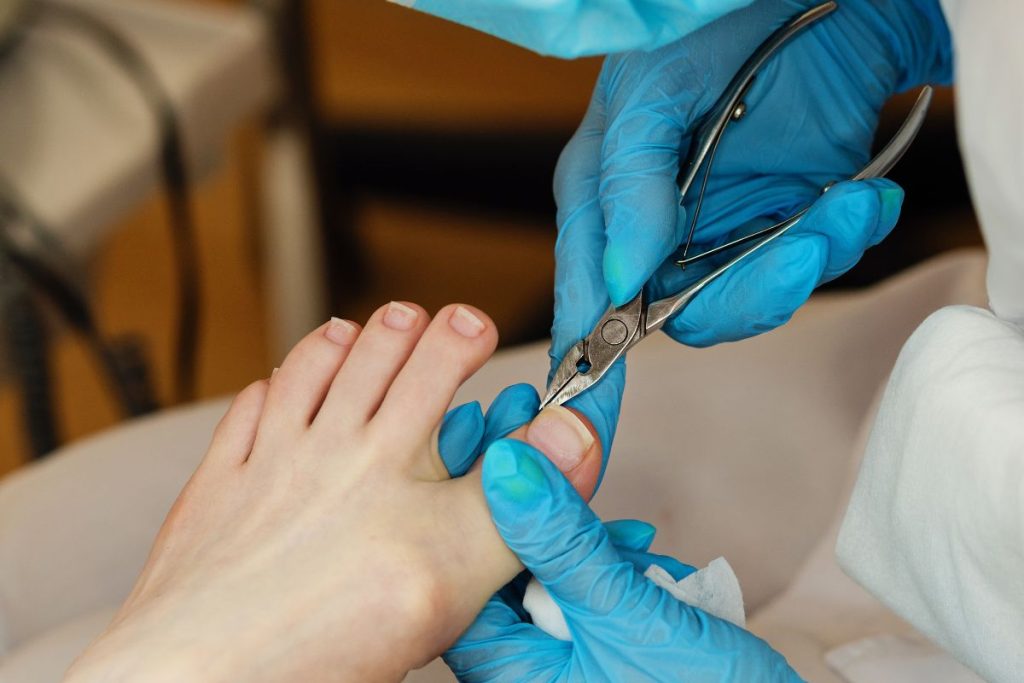
Regular cutting and shaping of toenails to prevent them from becoming too long, thick, or misshapen.
Importance:
Overgrown or improperly trimmed nails can cause pain, snag on socks, or lead to ingrown toenails. For people with reduced mobility or poor eyesight, trimming safely can be difficult.
How a practitioner helps:
A foot health practitioner trims nails correctly, reduces thickness if needed, and ensures nails are shaped to prevent future problems.
Corn & Callus Removal
What it is:
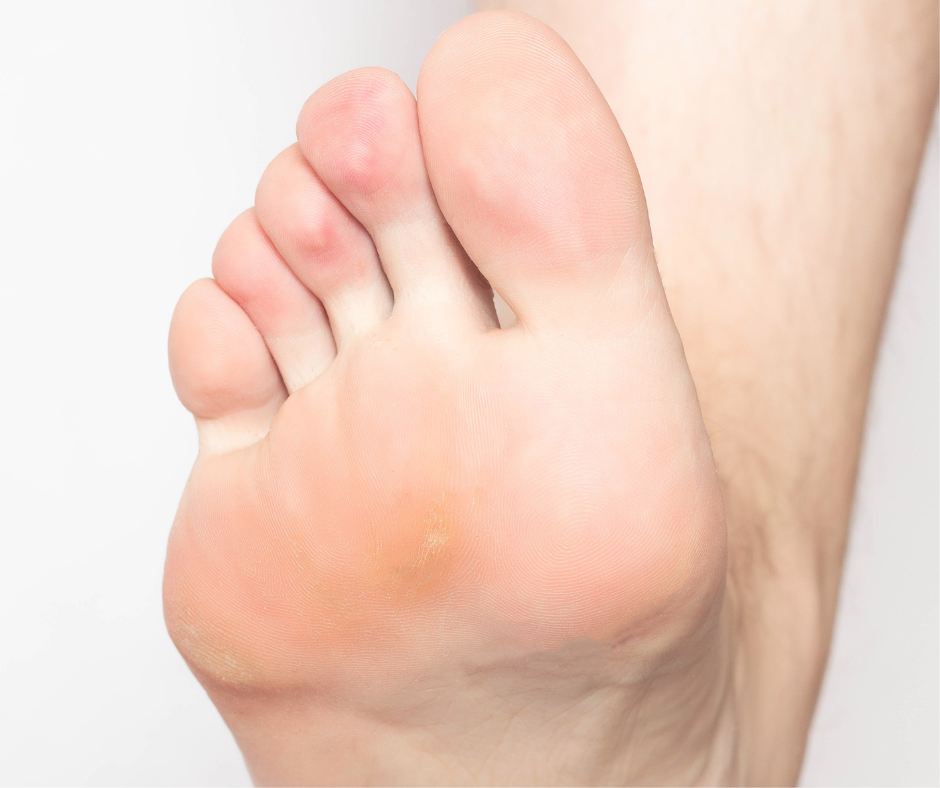
Corns are small, hardened areas of skin caused by pressure or friction, while calluses are larger patches of thickened skin.
Importance:
Left untreated, they can cause discomfort, pain when walking, and even ulceration in people with diabetes.
How a practitioner helps:
By safely removing the corns and reduce calluses using specialist tools, advise on footwear, and help prevent recurrence.
Fungal Toenails
What it is:
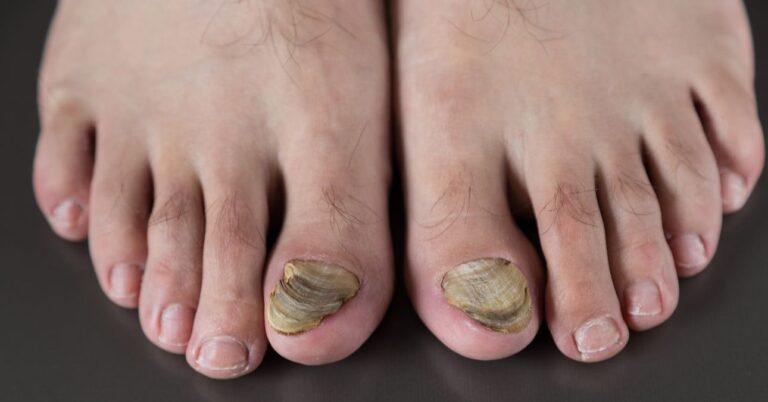
A fungal infection that causes nails to become thick, discoloured, brittle, or crumbly.
Importance:
Fungal nails can spread to other nails or skin, cause embarrassment, and make walking uncomfortable.
How a practitioner helps:
By reducing nail thickness, improve appearance, and guide patients toward effective antifungal treatments or medical referral if needed.
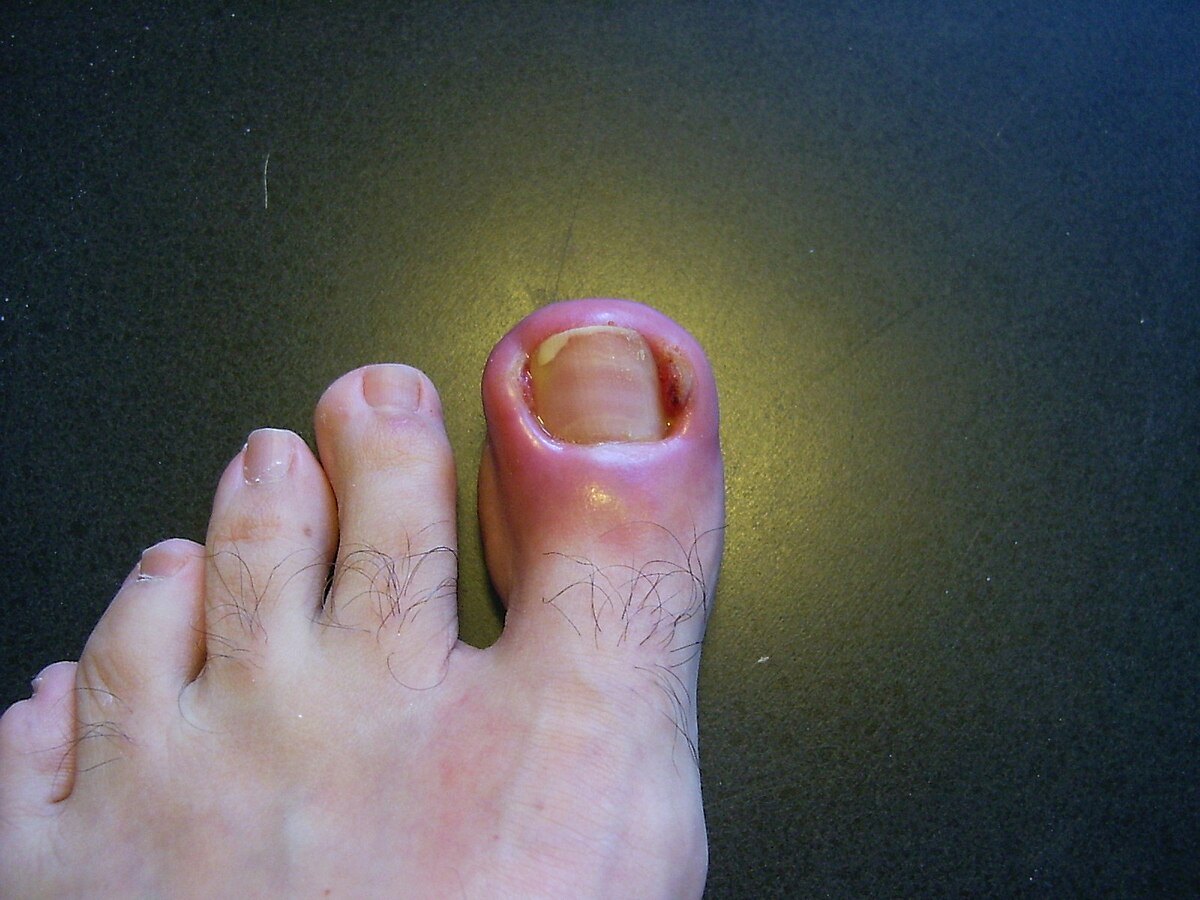
Ingrown Toenail
This is dummy text This is dummy text This is dummy text This is dummy text
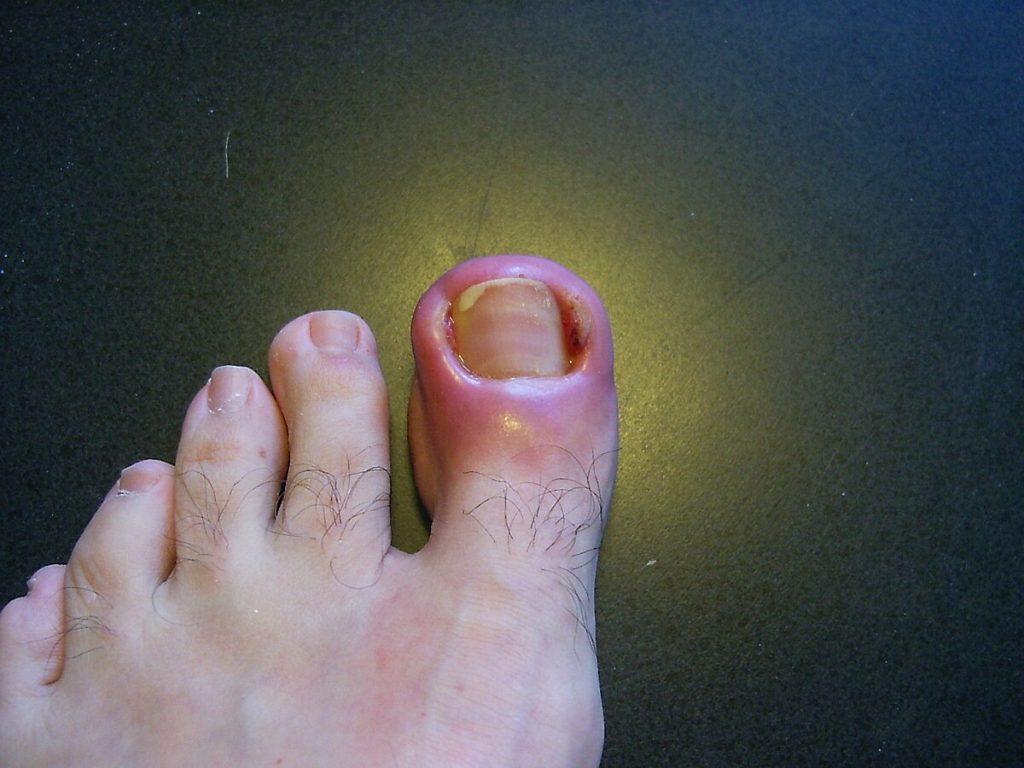
When the edge of a toenail grows into the surrounding skin, causing pain, swelling, and sometimes infection.
Importance:
Untreated ingrown nails can lead to severe infection and pain, especially in people with diabetes or poor circulation.
How a practitioner helps:
By carefully remove the offending nail edge, relieve pressure, dress the toe if infected, and provide advice on prevention.
Diabetic Foot Care
What it is:
Specialised care for people with diabetes, who are at higher risk of foot problems due to reduced circulation and nerve damage.
Importance:
Even small cuts or pressure points can lead to ulcers, infections, and serious complications if not managed.
How a practitioner helps:
By carrying out routine checks, trim nails safely, remove corns/calluses, and monitor for early signs of complications—helping prevent serious issues.
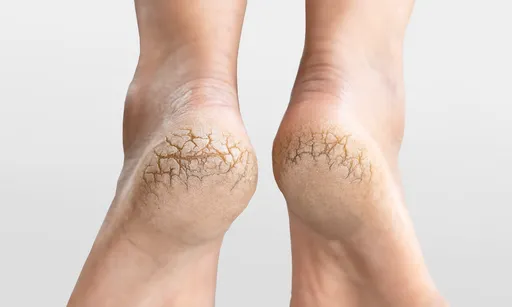
Cracked Heels
What it is:
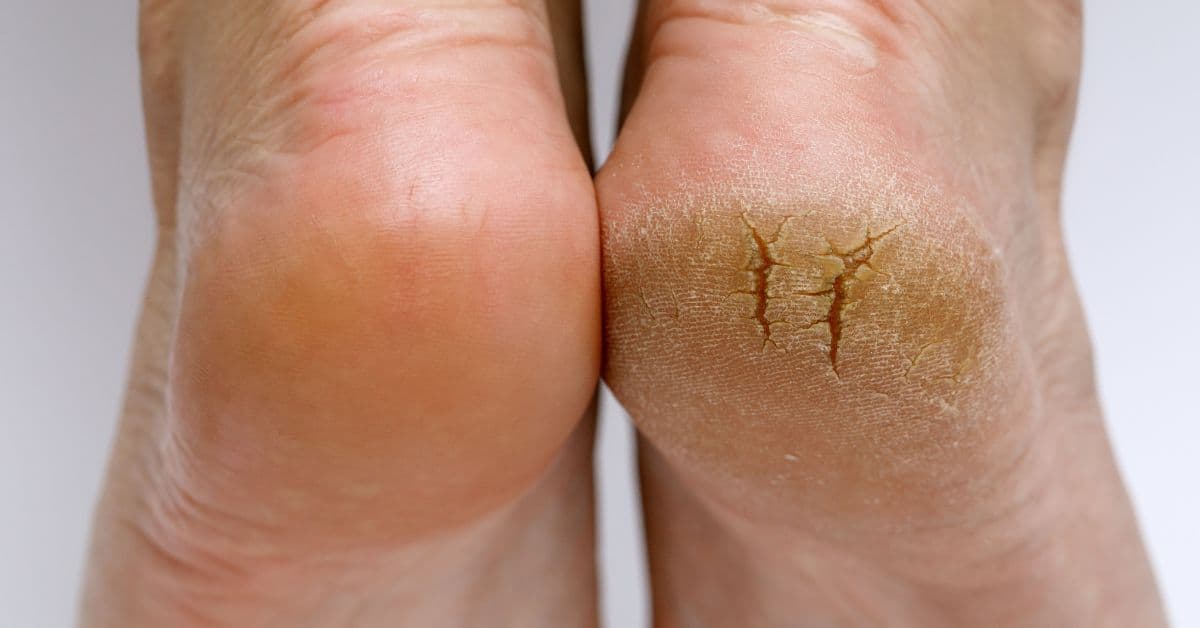
Splits or fissures in the skin of the heel, often caused by dryness, pressure, or ill-fitting footwear.
Importance:
Cracks can be painful, bleed, or become infected if deep. They can also affect mobility and confidence.
How a practitioner helps:
By gently removing hard skin, apply moisturizing treatments, and advise on footwear and daily care to keep heels smooth and healthy.
Routine foot maintenance
What it is:
Regular care of the feet, including nail checks, skin assessment, light trimming, and monitoring for any early signs of foot problems.
Importance:
Routine maintenance helps prevent painful issues such as thickened nails, hard skin, infections, and mobility difficulties—especially important for those with reduced mobility or underlying health conditions.
How a practitioner helps:
By performing thorough foot checks, managing minor issues before they worsen, and keeping feet in a healthy, comfortable condition through regular care
Nail trimming and shaping
What it is:
Careful cutting, shaping, and smoothing of toenails to keep them at a safe and comfortable length.
Importance:
Improper nail trimming can lead to ingrown toenails, breakage, pressure discomfort, or difficulty walking. This is particularly important for individuals with poor eyesight or reduced flexibility.
How a practitioner helps:
By trimming nails safely, shaping them to prevent future problems, and reducing nail thickness where needed to improve comfort.
Hard skin and callus reduction
What it is:
Removal or thinning of thick, hardened skin that develops due to pressure, friction, or certain footwear
Importance:
Hard skin and calluses can become painful, split, or cause pressure points, making walking uncomfortable. Left untreated, they may lead to more serious issues in
vulnerable individuals.
How a practitioner helps
By professionally reducing thickened skin with specialist tools, easing discomfort, and advising on footwear and self-care to help prevent
recurrence.
Corn care
What it is:
Treatment of small, hardened areas of skin caused by focused pressure—often on toes or the ball of the foot.
Importance:
Corns can be extremely painful, affect balance, and make footwear difficult to tolerate. Without proper care, they may worsen or lead to infection.
How a practitioner helps:
By safely removing corns, relieving pressure, and identifying the underlying cause so clients can avoid future discomfort.
Athlete Foot Care
What it is:
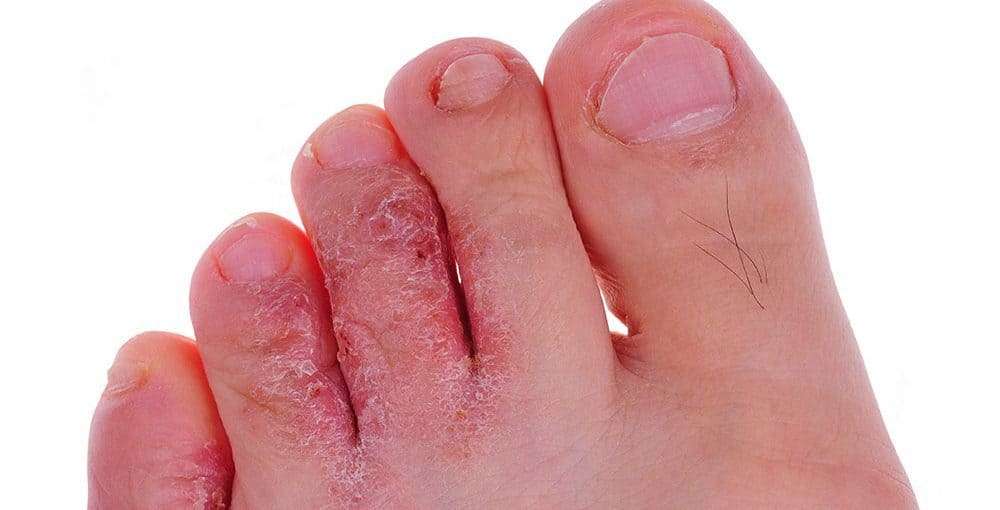
Management of a fungal skin infection that causes itching, redness, scaling, and cracking between toes or on the soles.
Importance:
If untreated, athlete’s foot can spread, cause persistent irritation, or lead to
secondary infections. It may also spread to toenails, making treatment longer and more
complex.
How a practitioner helps:
By identifying the infection, advising on effective antifungal treatments, reducing discomfort, and offering guidance on hygiene and prevention.
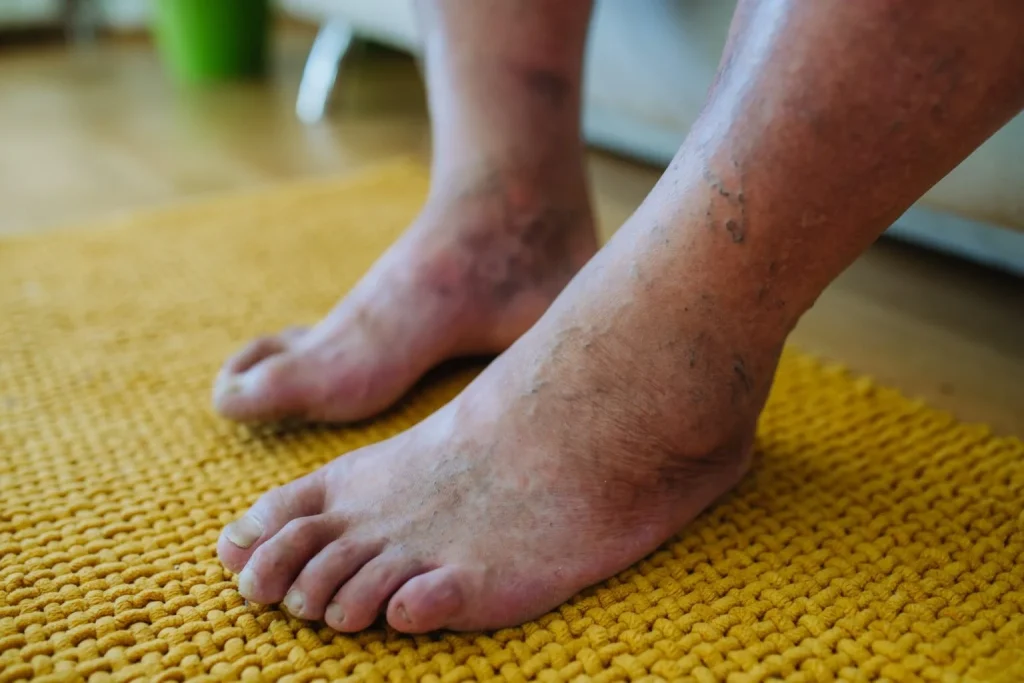
General Foot Care and Maintenance
What it is:
A combination of essential foot health practices including nail care, skin treatment, monitoring for changes, and ensuring overall comfort.
Importance:
Regular maintenance helps prevent problems, supports mobility, reduces discomfort, and promotes long-term foot health—especially for older adults or those with chronic conditions.
How a practitioner helps:
By delivering tailored foot care to meet individual needs, addressing minor issues early, and ensuring clients maintain healthy, pain-free feet.
Advice for ongoing foot health
What it is:
Personalised guidance on daily practices such as moisturising, nail care, footwear choices, hygiene, and monitoring foot changes.
Importance:
Consistent self-care helps prevent recurring issues, reduces the risk of infections, and supports overall mobility and wellbeing.
How a practitioner helps:
By offering expert advice tailored to each person’s lifestyle, health conditions, and foot structure—empowering clients to maintain healthy feet between appointments.
Beauty Services Are Our Priority
This is dummy text This is dummy text This is dummy text This is dummy text This is dummy text This is dummy text
Body Treatment88%
Face Treatment95%
Relaxtions79%
Treatment Package
Basic SPA Package
$40
This is dummy text This is dummy text This is dummy text This is dummy text
Lorem ipsum dolor sit amet, consectetur adipiscing elit, sed do eiusmod tempor incididunt ut labore et dolore magna aliqua. Ut enim ad minim veniam, quis nostrud exercitation ullamco laboris nisi ut aliquip ex ea commodo consequat. Duis aute irure dolor in reprehenderit in voluptate velit esse cillum dolore eu fugiat nulla pariatur.